MISSISSIPPI HIZO HISTORIA: SCOTT COLOM, PRIMER SENADOR NEGRO ELECTO POR VOTO POPULARMISSISSIPPI MADE HISTORY: SCOTT COLOM, FIRST BLACK SENATOR ELECTED BY POPULAR VOTE
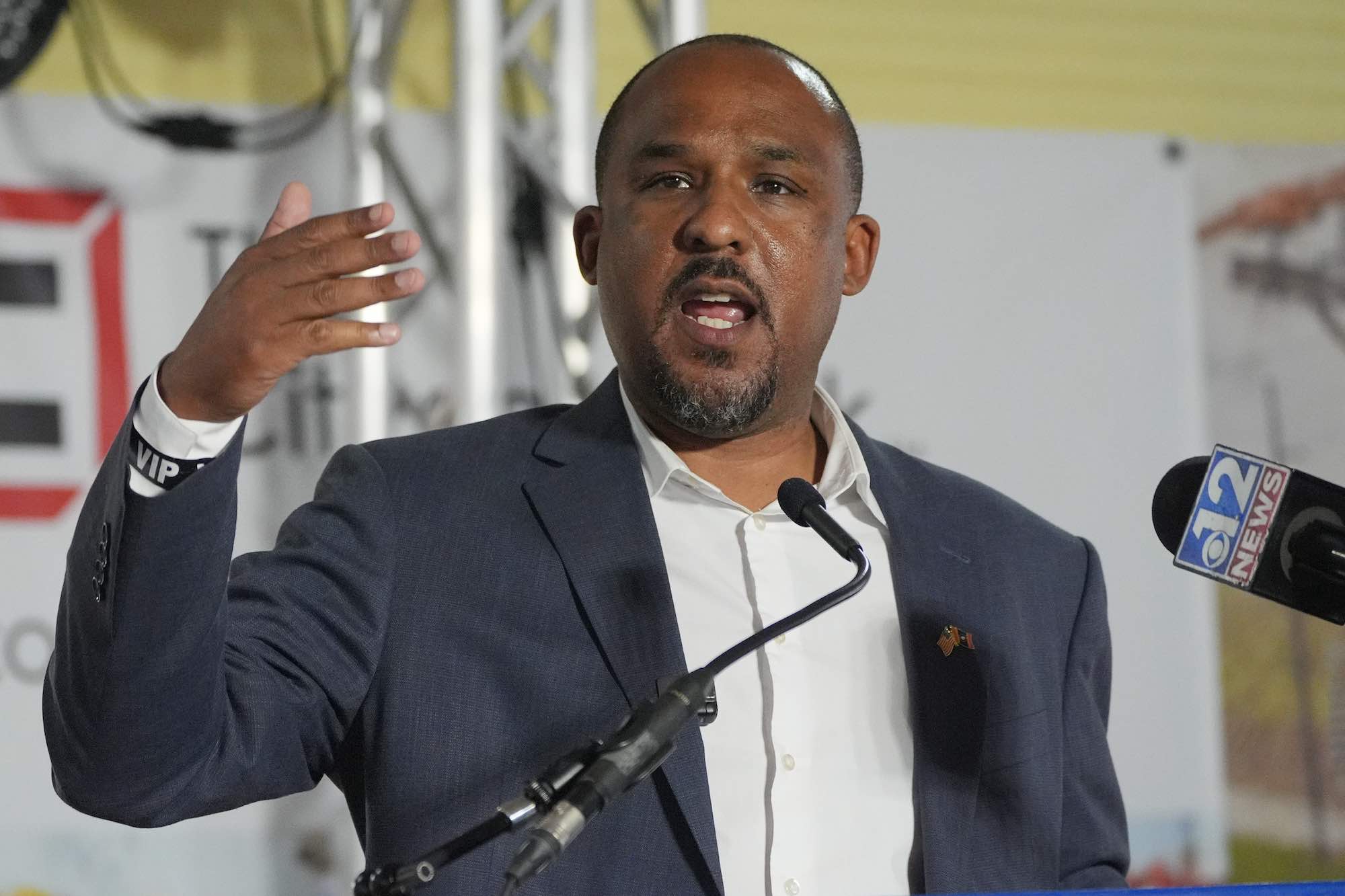
Ocho días tardó Mississippi en contar, y el resultado ya es parte de la historia de Estados Unidos. Associated Press llamó este miércoles la carrera del Senado para Scott Colom, demócrata de 43 años, que derrotó a la senadora republicana Cindy Hyde-Smith por 4.669 votos: 473.336 contra 468.667, el 49,2 % frente al 48,7 %. La noche del 3 de noviembre, al cerrar el primer conteo, la ventaja de Colom era de apenas 43 votos.
Hyde-Smith, que ocupaba el escaño desde 2018, reconoció la derrota el miércoles en un video: «Aunque no es el resultado por el que trabajamos ni el que esperábamos, respeto la decisión de los votantes de Mississippi. Felicito a Scott Colom y le deseo lo mejor en la tremenda responsabilidad de representar a nuestro gran estado». El resultado aún espera la certificación oficial, y Colom debe asumir el 3 de enero de 2027.
145 AÑOS DESPUÉS
Mississippi fue el primer estado que envió senadores negros a Washington. Hiram Revels, el primer senador negro de la historia estadounidense, ocupó su escaño en 1870. Blanche K. Bruce, nacido en la esclavitud, sirvió entre 1875 y 1881. Pero a los dos los eligió la legislatura estatal, como se hacía con todos los senadores antes de que la Enmienda 17 estableciera la elección directa en 1913.
Desde la salida de Bruce en 1881, ningún hombre negro había representado a Mississippi en el Senado. Colom es el primero que llega por el voto directo de los ciudadanos, y también la primera persona negra electa a un cargo de nivel estatal en Mississippi desde los tiempos de la Reconstrucción.
El otro récord es partidista: Colom es el primer demócrata que gana un escaño al Senado por Mississippi desde 1982, cuando se reeligió John Stennis, un segregacionista declarado. Cuarenta y cuatro años separan a ambos triunfos.
LA SENADORA QUE LO BLOQUEÓ
La historia personal entre los dos candidatos le da a este resultado una vuelta que ningún guionista se habría atrevido a escribir. En 2022, el presidente Joe Biden nominó a Colom como juez federal para el Distrito Norte de Mississippi. El senador republicano Roger Wicker, el otro senador del estado, estaba dispuesto a apoyar la nominación, pero Hyde-Smith retuvo el llamado «blue slip», la cortesía del Senado que permite a un senador frenar en solitario a un nominado judicial de su estado, y la nominación murió.
La noche de las elecciones, convencida de su victoria, Hyde-Smith lo recordó ante sus seguidores: «Yo bloqueé a Scott Colom para que no fuera juez federal, y ustedes lo bloquearon para que no fuera senador». Ocho días de conteo después, tuvo que felicitarlo como senador electo.
QUIÉN ES SCOTT COLOM
Colom nació en Columbus, Mississippi, en 1982 y se presenta como un misisipiano de séptima generación. Su padre, Wilbur Colom, abogado republicano, trabajó para Ronald Reagan; su madre, Dorothy, fue jueza electa. Abogado por la Universidad de Wisconsin, fue juez municipal y fiscal antes de dar su primer golpe en 2015, cuando derrotó a un fiscal de distrito con casi tres décadas en el cargo. Desde 2016 es el fiscal del Distrito Judicial 16, y fue el primer fiscal negro electo en un distrito de mayoría blanca en la historia del estado.
Lanzó su campaña al Senado en septiembre de 2025 con el lema «Mississippi matters» y un discurso centrado en la economía cotidiana: el costo de la vida, los cientos de miles de misisipianos sin seguro médico, los hospitales rurales amenazados por los recortes y el empleo. Mississippi es el estado con mayor proporción de población negra del país, cerca del 40 %, y la fórmula de su campaña fue una alta participación de ese electorado unida a al menos una cuarta parte del voto blanco.
El miércoles por la noche celebró su victoria en la Universidad de Tougaloo, una institución históricamente negra, y abrió su discurso honrando a Revels y a dos iconos de los derechos civiles, Fannie Lou Hamer y Medgar Evers: «En Mississippi, nuestras oraciones han cambiado a menudo el curso de la historia».
LO QUE CAMBIA
Con el escaño de Mississippi, los demócratas suman 55 senadores en la cámara que se instala en enero, a la espera de que se resuelva Alaska, la última carrera del Senado sin llamar. Para un estado que los republicanos daban por seguro, y donde el propio Donald Trump viajó en la última semana de campaña para intentar salvar a Hyde-Smith, el golpe es doble: pierden el escaño y pierden el símbolo.
La pregunta que queda flotando sobre el sur profundo es la misma que se hacían los asistentes a un acto demócrata en abril, cuando el senador Raphael Warnock mencionó Mississippi como posible sorpresa y la sala se rio: ¿y si el mapa imposible no lo era tanto?
Fuentes: Associated Press (llamada de la carrera y cifras), CNN (reconstrucción de la campaña y discurso de victoria), U.S. Senate Historical Office (Revels y Bruce).
It took Mississippi eight days to count, and the result is already part of United States history. The Associated Press called the Senate race on Wednesday for Scott Colom, a 43-year-old Democrat, who defeated Republican Senator Cindy Hyde-Smith by 4,669 votes: 473,336 to 468,667, 49.2 percent to 48.7 percent. On the night of November 3, when the first count closed, Colom's lead was just 43 votes.
Hyde-Smith, who had held the seat since 2018, conceded on Wednesday in a video: "While this is not the outcome we worked for or hoped for, I respect the decision of Mississippi voters. I congratulate Scott Colom and wish him well as he takes on the tremendous responsibility of representing our great state." The result still awaits official certification, and Colom is due to take office on January 3, 2027.
145 YEARS LATER
Mississippi was the first state to send Black senators to Washington. Hiram Revels, the first Black senator in American history, took his seat in 1870. Blanche K. Bruce, born into slavery, served from 1875 to 1881. But both were chosen by the state legislature, as all senators were before the Seventeenth Amendment established direct election in 1913.
Since Bruce left in 1881, no Black man had represented Mississippi in the Senate. Colom is the first to get there by the direct vote of the citizens, and also the first Black person elected to statewide office in Mississippi since Reconstruction.
The other record is partisan: Colom is the first Democrat to win a Senate seat from Mississippi since 1982, when John Stennis, an avowed segregationist, was reelected. Forty-four years separate the two victories.
THE SENATOR WHO BLOCKED HIM
The personal history between the two candidates gives this result a twist no screenwriter would have dared to write. In 2022, President Joe Biden nominated Colom as a federal judge for the Northern District of Mississippi. Republican Senator Roger Wicker, the state's other senator, was ready to support the nomination, but Hyde-Smith withheld the so-called "blue slip," the Senate courtesy that allows a senator to single-handedly stall a judicial nominee from their home state, and the nomination died.
On election night, convinced of her victory, Hyde-Smith recalled it before her supporters: "I blocked Scott Colom from being a federal judge, and you blocked him from being a US senator." Eight days of counting later, she had to congratulate him as senator-elect.
WHO IS SCOTT COLOM
Colom was born in Columbus, Mississippi, in 1982 and describes himself as a seventh-generation Mississippian. His father, Wilbur Colom, a Republican lawyer, worked for Ronald Reagan; his mother, Dorothy, was an elected judge. A University of Wisconsin law graduate, he was a municipal judge and prosecutor before his first upset in 2015, when he defeated a district attorney who had held the office for nearly three decades. He has been the district attorney for the 16th Judicial District since 2016, and he was the first Black district attorney elected in a majority-white district in the state's history.
He launched his Senate campaign in September 2025 under the slogan "Mississippi matters," with a message focused on everyday economics: the cost of living, the hundreds of thousands of Mississippians without health insurance, the rural hospitals threatened by cuts, and jobs. Mississippi has the largest share of Black population of any state, close to 40 percent, and his campaign's formula was high turnout from that electorate combined with at least a quarter of the white vote.
On Wednesday night he celebrated his victory at Tougaloo College, a historically Black institution, and opened his speech honoring Revels and two civil rights icons, Fannie Lou Hamer and Medgar Evers: "In Mississippi, our prayers have often changed the course of history."
WHAT CHANGES
With the Mississippi seat, Democrats hold 55 senators in the chamber that convenes in January, pending Alaska, the last Senate race still uncalled. For a state Republicans took for granted, and where Donald Trump himself traveled in the final week of the campaign to try to save Hyde-Smith, the blow is double: they lose the seat and they lose the symbol.
The question now hanging over the Deep South is the same one asked at a Democratic event in April, when Senator Raphael Warnock mentioned Mississippi as a possible surprise and the room laughed: what if the impossible map was not so impossible after all?
Sources: Associated Press (race call and figures), CNN (account of the campaign and the victory speech), U.S. Senate Historical Office (Revels and Bruce).