LA RECONCENTRACIÓN DE RUBIO (WEYLER)RUBIO'S RECONCENTRATION (WEYLER)
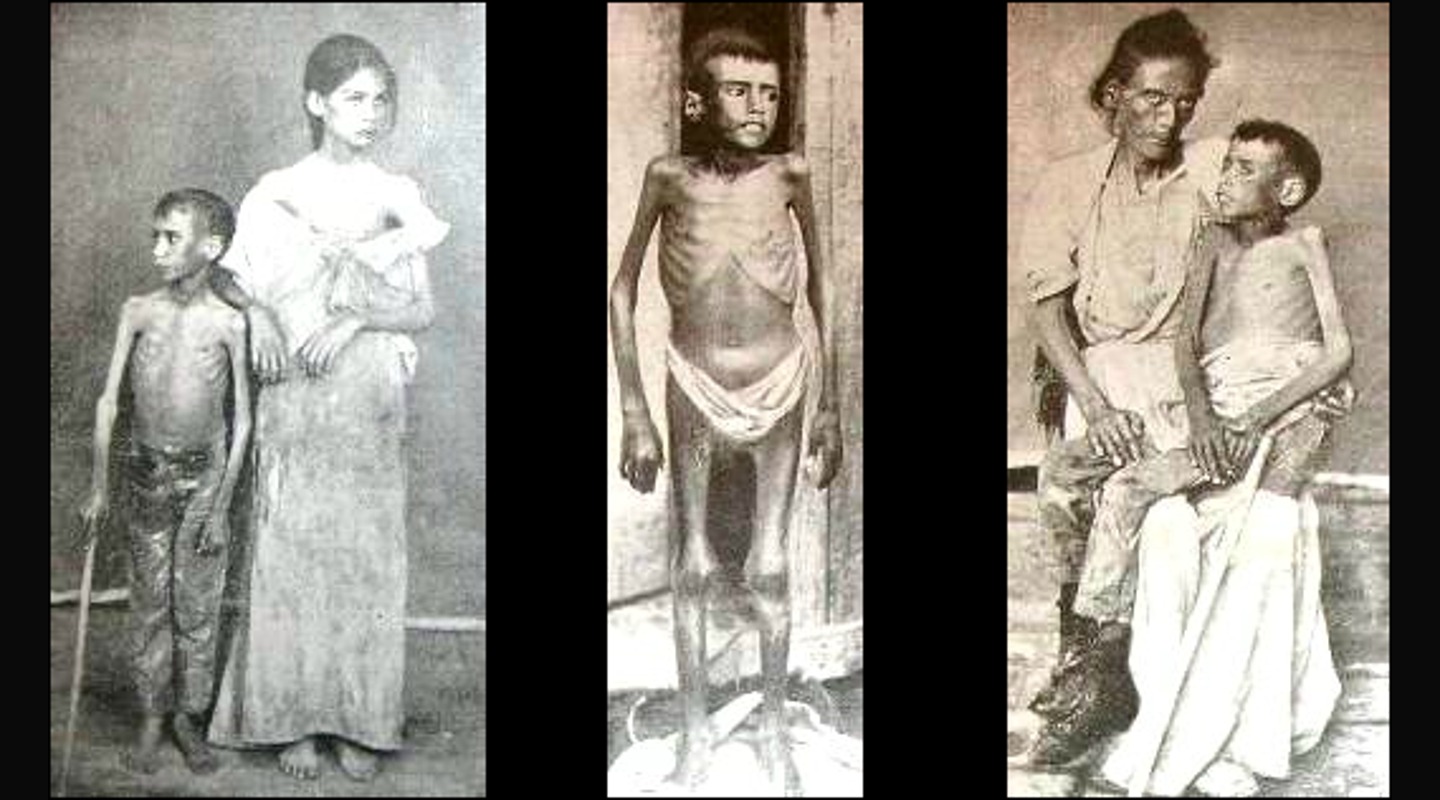
El 21 de octubre de 1896, el capitán general Valeriano Weyler firmó el bando que extendió a casi toda Cuba la medida más infame de la guerra: la reconcentración. Todo campesino debía abandonar su casa, su tierra y sus animales y encerrarse en los pueblos fortificados en un plazo de días. Quien quedara fuera de esos pueblos sería tratado como rebelde. El objetivo, declarado por el propio mando español, era privar al Ejército Libertador del apoyo del campesinado: si el campo quedaba vacío, el mambí no tendría comida, ni información, ni refugio.
El resultado está en los libros de historia. Hacia diciembre de 1896 había unos 400.000 cubanos reconcentrados, hacinados sin alimentos, sin higiene y sin atención médica. Las estimaciones más aceptadas por los historiadores sitúan los muertos entre 150.000 y 200.000. El historiador Jordi Maluquer de Motes calcula que, de cada diez reconcentrados, murieron cuatro, y que el total equivale a alrededor del 10 por ciento de la población de la isla. Casi nadie murió fusilado: murieron de hambre y de epidemias, que es la forma silenciosa que tiene el asedio de matar.
Ciento treinta años después, Cuba vuelve a estar sometida a un asedio diseñado para quebrar al país castigando la vida cotidiana de su población. Solo que esta vez no lo firma un capitán general en La Habana: lo firma Washington, y su arquitecto tiene nombre propio.
El 29 de enero de 2026, la Casa Blanca declaró una emergencia nacional respecto a Cuba y amenazó con aranceles a cualquier país que se atreva a venderle combustible. Venezuela, su principal proveedor, dejó de enviar petróleo tras la captura de Nicolás Maduro. El 5 de noviembre, la OFAC sancionó a ocho empresas y dos personas y bloqueó cinco buques petroleros, el Esperanza, el Gloria C, el María Cristina, el Emilia y el Lourdes, junto a navieras de Chipre y Panamá y a dos compañías chinas. Las medidas las anunció el propio secretario de Estado, Marco Rubio, y el marco que las ampara se extendió ese mismo día a sectores enteros de la economía cubana: la energía, la manufactura, la electrónica, la tecnología y la actividad marítima.
El canciller cubano, Bruno Rodríguez, lo dijo sin rodeos: estas sanciones forman parte de «la política enfermiza de asfixia económica que ha diseñado y dirige el Secretario de Estado estadounidense contra nuestro pueblo». Y el propio Rubio, al anunciarlas, reconoció el terreno sobre el que actúa su política: un pueblo que enfrenta «apagones, escasez de combustible y una economía estancada». Cuba produce unos 40.000 barriles diarios de petróleo y necesita cerca de 100.000. Con el cerco cerrado, los apagones se prolongan por 24 horas y el déficit de generación roza los 1.900 megawatts.
El paralelismo no es un adorno retórico. Es el mismo método, actualizado.
El objetivo es el mismo. Weyler no perseguía a cada mambí en la manigua: perseguía la fuente que lo sostenía, el campesino. Hoy no se persigue a un ejército: se persigue la fuente que sostiene la vida del país, el combustible, el comercio y las finanzas, para que la población pague el precio hasta que Cuba ceda o se desplome.
El método es el mismo. Weyler concentró a la población en pueblos cercados y la dejó sin comida. Hoy la concentración no necesita alambre: más de nueve millones de cubanos quedan encerrados en una isla sin combustible, sin electricidad, sin transporte y con los alimentos y las medicinas encarecidos o desaparecidos. La cerca moderna es el mar, la lista de sancionados de la OFAC y la amenaza permanente contra terceros.
El castigo es el mismo: colectivo. El bando de 1896 convertía en enemigo a todo campesino que quedara fuera de los pueblos. El bando de 2026 convierte en sancionable a todo buque, toda empresa y todo país que comercie con Cuba. La extraterritorialidad es la reconcentración aplicada al mundo entero.
Y el discurso es el mismo. Weyler decía pacificar. Rubio dice defender al pueblo cubano mientras firma medidas cuyo efecto declarado es que ese pueblo sufra apagones y escasez. Hay una diferencia que la historia registrará con amargura: Weyler era un general de la potencia colonial. Rubio es hijo de inmigrantes cubanos. El asedio contra la isla de sus padres lo diseña un hombre que lleva sangre cubana.
Conviene recordar cómo terminó la primera reconcentración. Weyler fue relevado en octubre de 1897, desacreditado ante el mundo, y su sucesor derogó la medida en marzo de 1898. La reconcentración no quebró a los mambises. España perdió Cuba. Al general no lo salvó ni la dureza ni el cálculo: la historia lo recuerda con el apodo que le puso la prensa de su tiempo, el Carnicero, y su política quedó como sinónimo de crueldad inútil.
Cuba ya sobrevivió a una reconcentración. La pregunta que deja este editorial es sencilla: ¿qué aprendió Washington de 1896, si ciento treinta años después vuelve a firmar el mismo bando, esta vez sin papel, sin tropas y sin capitán general, pero con el mismo destinatario de siempre, el pueblo cubano?
On October 21, 1896, Captain General Valeriano Weyler signed the decree that extended to almost all of Cuba the most infamous measure of the war: the reconcentration. Every peasant had to abandon his home, his land and his animals and shut himself into the fortified towns within a matter of days. Anyone left outside those towns would be treated as a rebel. The objective, declared by the Spanish command itself, was to deprive the Liberation Army of the peasantry's support: if the countryside was emptied, the mambí would have no food, no information and no refuge.
The result is in the history books. By December 1896 there were some 400,000 Cubans reconcentrated, crammed together without food, without hygiene and without medical care. The estimates most widely accepted by historians place the dead between 150,000 and 200,000. Historian Jordi Maluquer de Motes calculates that four out of every ten reconcentrated people died, and that the total equals around 10 percent of the island's population. Almost no one died by firing squad: they died of hunger and epidemics, which is the silent way a siege kills.
One hundred and thirty years later, Cuba is once again under a siege designed to break the country by punishing its population's daily life. Only this time it is not signed by a captain general in Havana: it is signed in Washington, and its architect has a name.
On January 29, 2026, the White House declared a national emergency regarding Cuba and threatened tariffs on any country that dares to sell it fuel. Venezuela, its main supplier, stopped sending oil after the capture of Nicolás Maduro. On November 5, OFAC sanctioned eight companies and two individuals and blocked five oil tankers, the Esperanza, the Gloria C, the María Cristina, the Emilia and the Lourdes, along with shipping companies from Cyprus and Panama and two Chinese companies. The measures were announced by Secretary of State Marco Rubio himself, and the framework behind them was extended that same day to entire sectors of the Cuban economy: energy, manufacturing, electronics, technology and maritime activity.
Cuba's foreign minister, Bruno Rodríguez, said it bluntly: these sanctions are part of 'the sick policy of economic asphyxiation that the United States Secretary of State has designed and directs against our people.' And Rubio himself, in announcing them, acknowledged the ground on which his policy operates: a people facing 'blackouts, fuel shortages and a stagnant economy.' Cuba produces some 40,000 barrels of oil a day and needs close to 100,000. With the siege closed, blackouts stretch to 24 hours and the generation deficit approaches 1,900 megawatts.
The parallel is not a rhetorical ornament. It is the same method, updated.
The objective is the same. Weyler did not chase every mambí through the bush: he chased the source that sustained him, the peasant. Today no army is being chased: what is chased is the source that sustains the country's life, fuel, trade and finance, so that the population pays the price until Cuba yields or collapses.
The method is the same. Weyler concentrated the population in fenced towns and left it without food. Today the concentration needs no wire: more than nine million Cubans remain locked inside an island without fuel, without electricity, without transport and with food and medicines made more expensive or vanished. The modern fence is the sea, OFAC's sanctions list and the permanent threat against third parties.
The punishment is the same: collective. The 1896 decree turned every peasant left outside the towns into an enemy. The 2026 decree makes every ship, every company and every country that trades with Cuba liable to sanctions. Extraterritoriality is reconcentration applied to the whole world.
And the discourse is the same. Weyler claimed to pacify. Rubio claims to defend the Cuban people while signing measures whose declared effect is that this people suffers blackouts and scarcity. There is one difference history will record with bitterness: Weyler was a general of the colonial power. Rubio is the son of Cuban immigrants. The siege against his parents' island is designed by a man who carries Cuban blood.
It is worth remembering how the first reconcentration ended. Weyler was relieved in October 1897, discredited before the world, and his successor repealed the measure in March 1898. The reconcentration did not break the mambises. Spain lost Cuba. Neither harshness nor calculation saved the general: history remembers him by the nickname the press of his time gave him, the Butcher, and his policy became a synonym for useless cruelty.
Cuba already survived one reconcentration. The question this editorial leaves is simple: what did Washington learn from 1896, if one hundred and thirty years later it signs the same decree again, this time without paper, without troops and without a captain general, but with the same addressee as always, the Cuban people?