El país que prohíbe los envíos de combustible, manda cajas de comidaThe country that bans fuel shipments now sends boxes of food
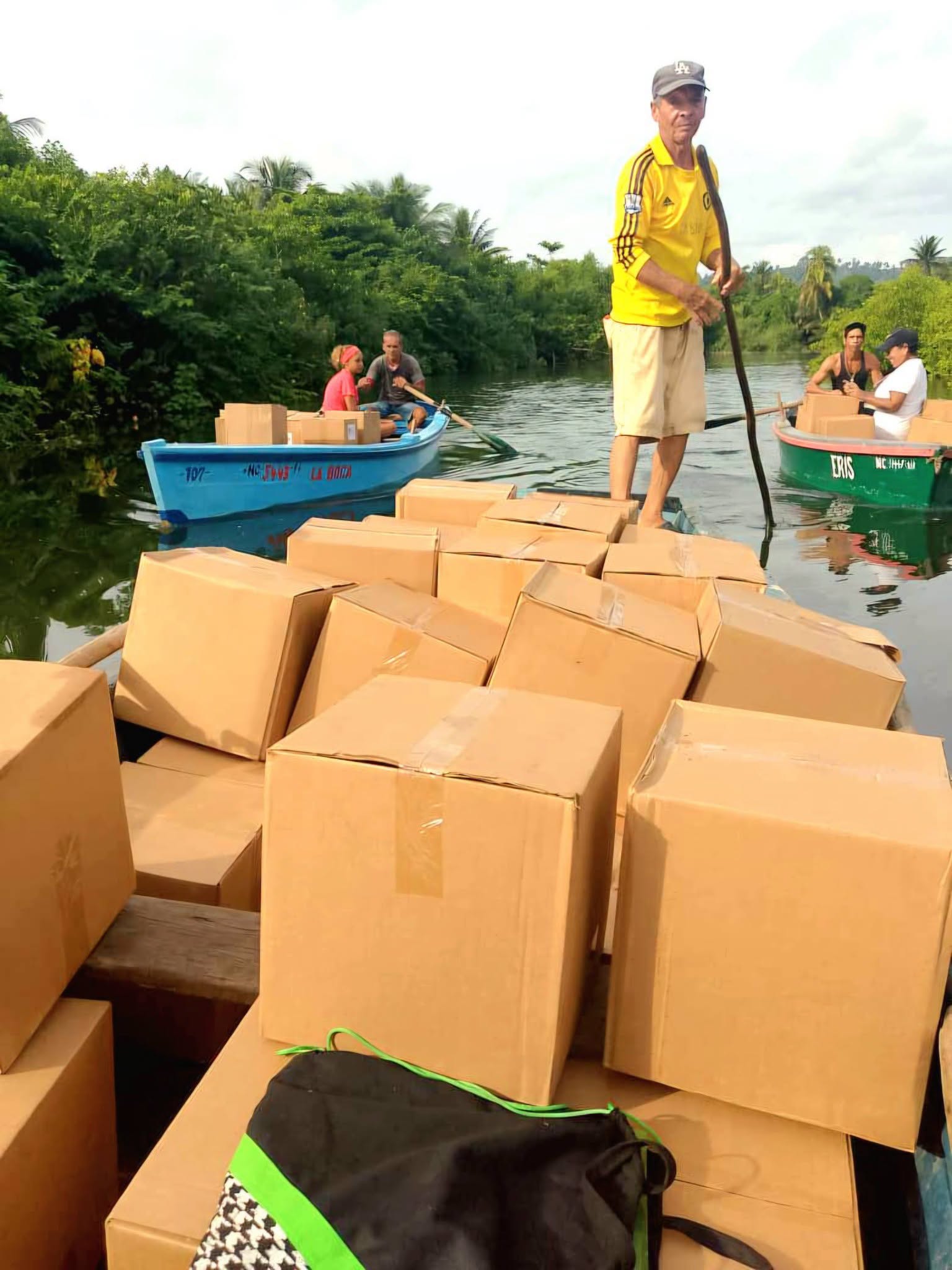
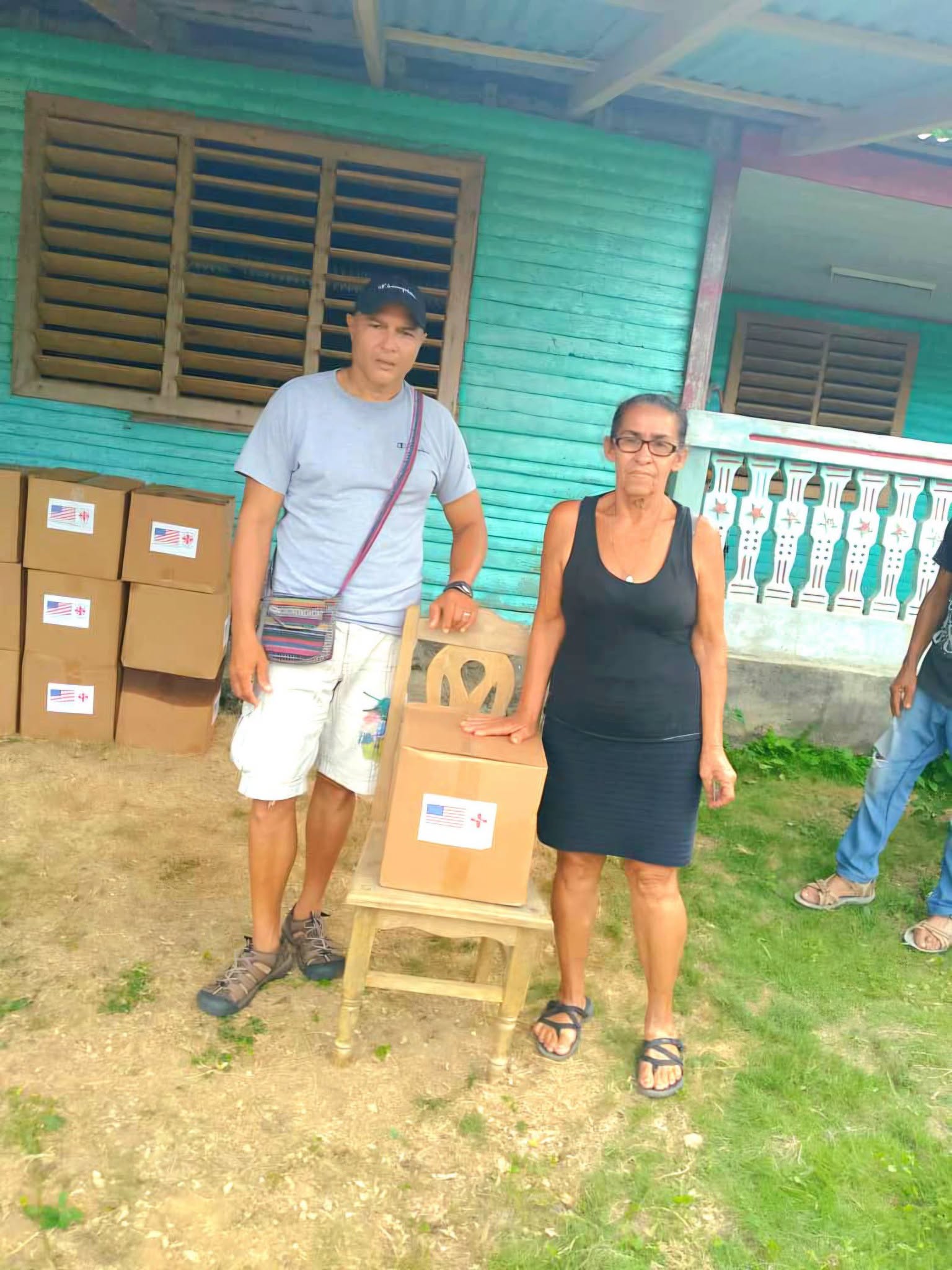
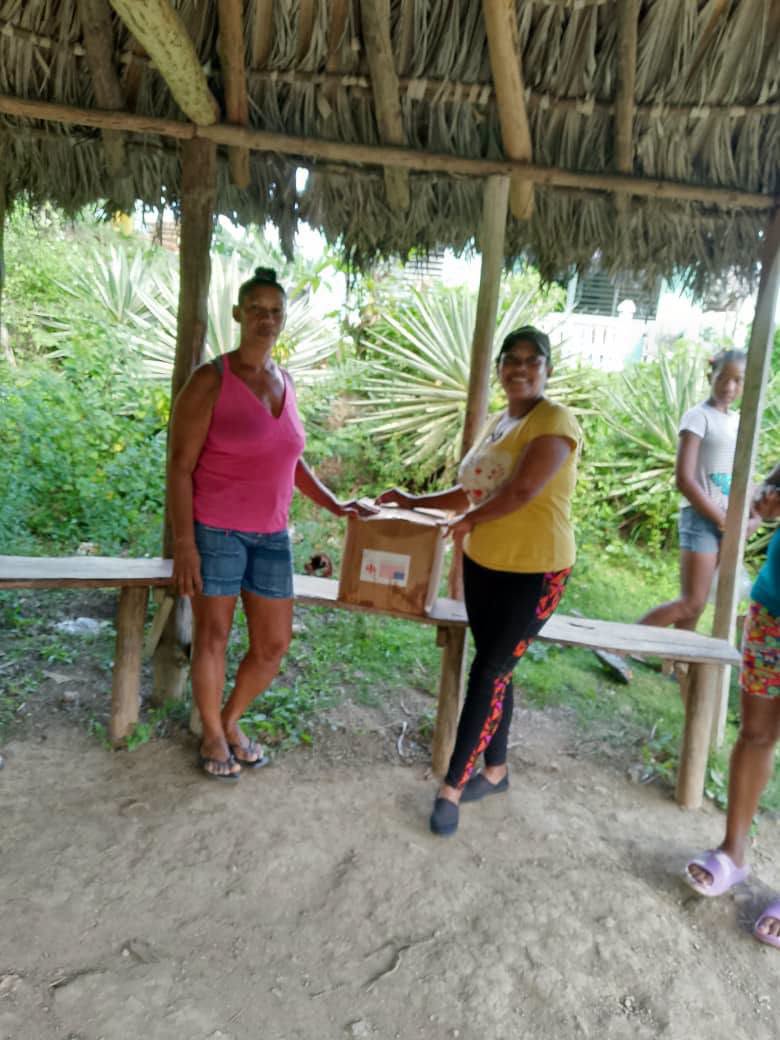
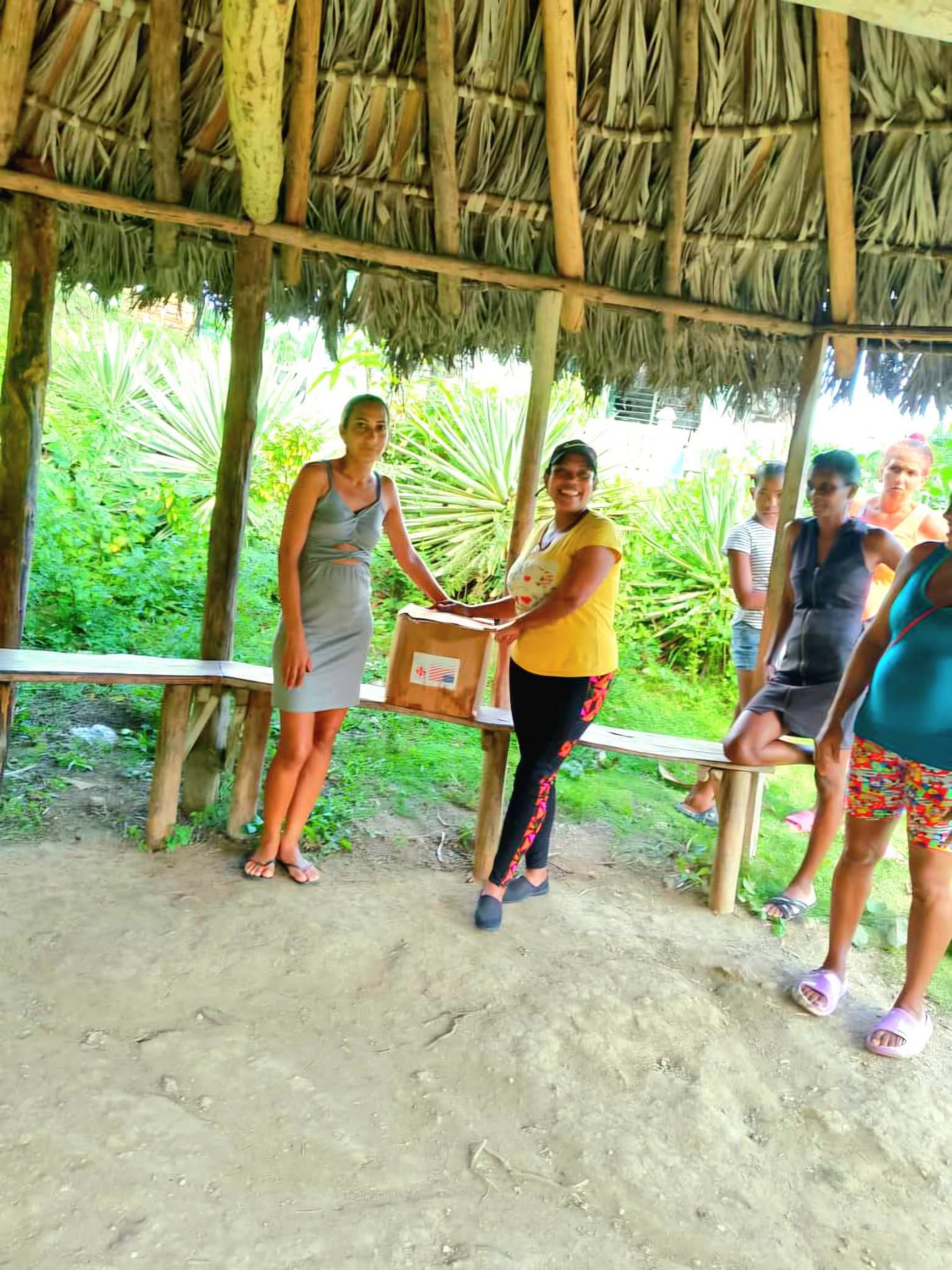
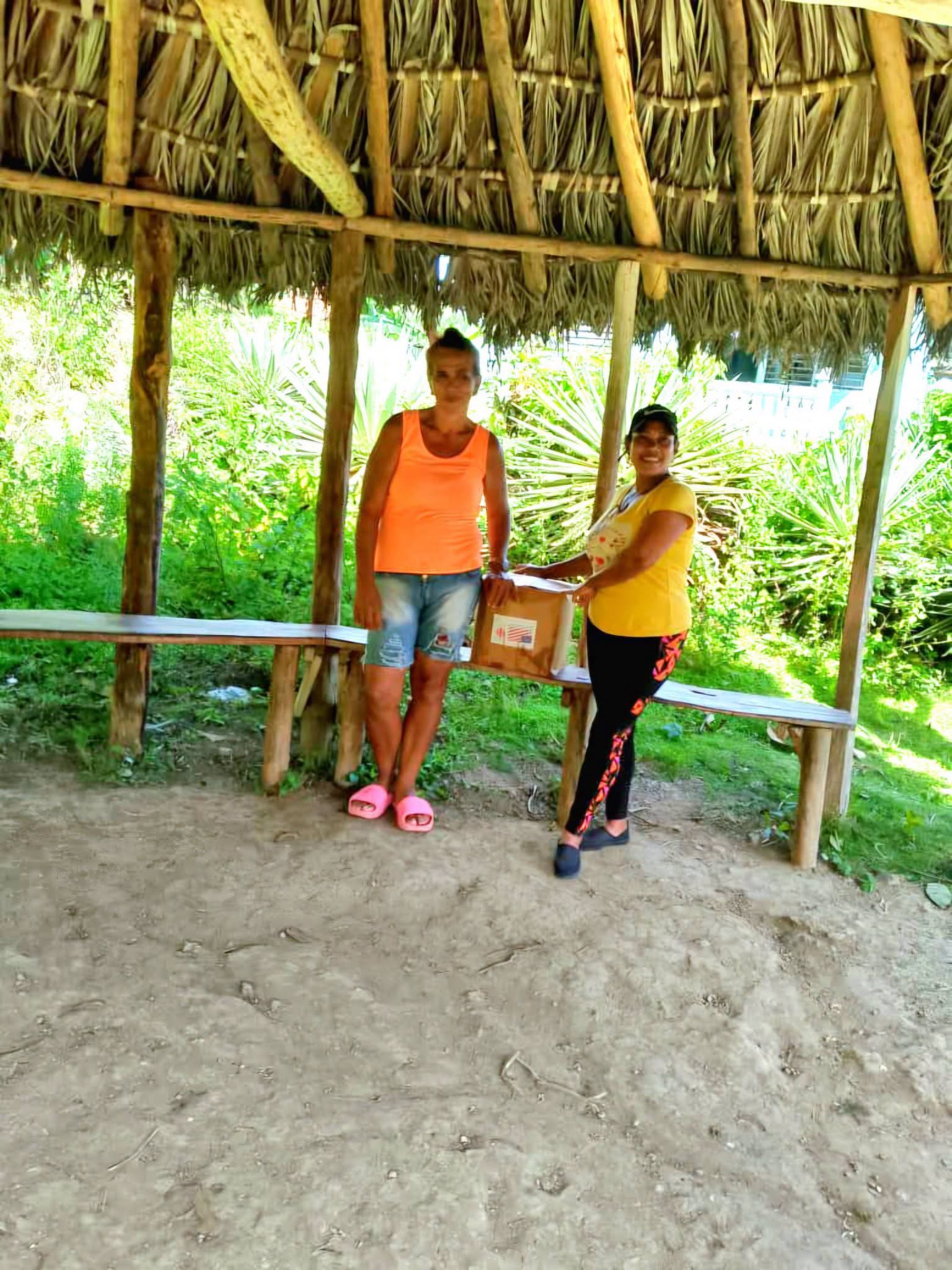
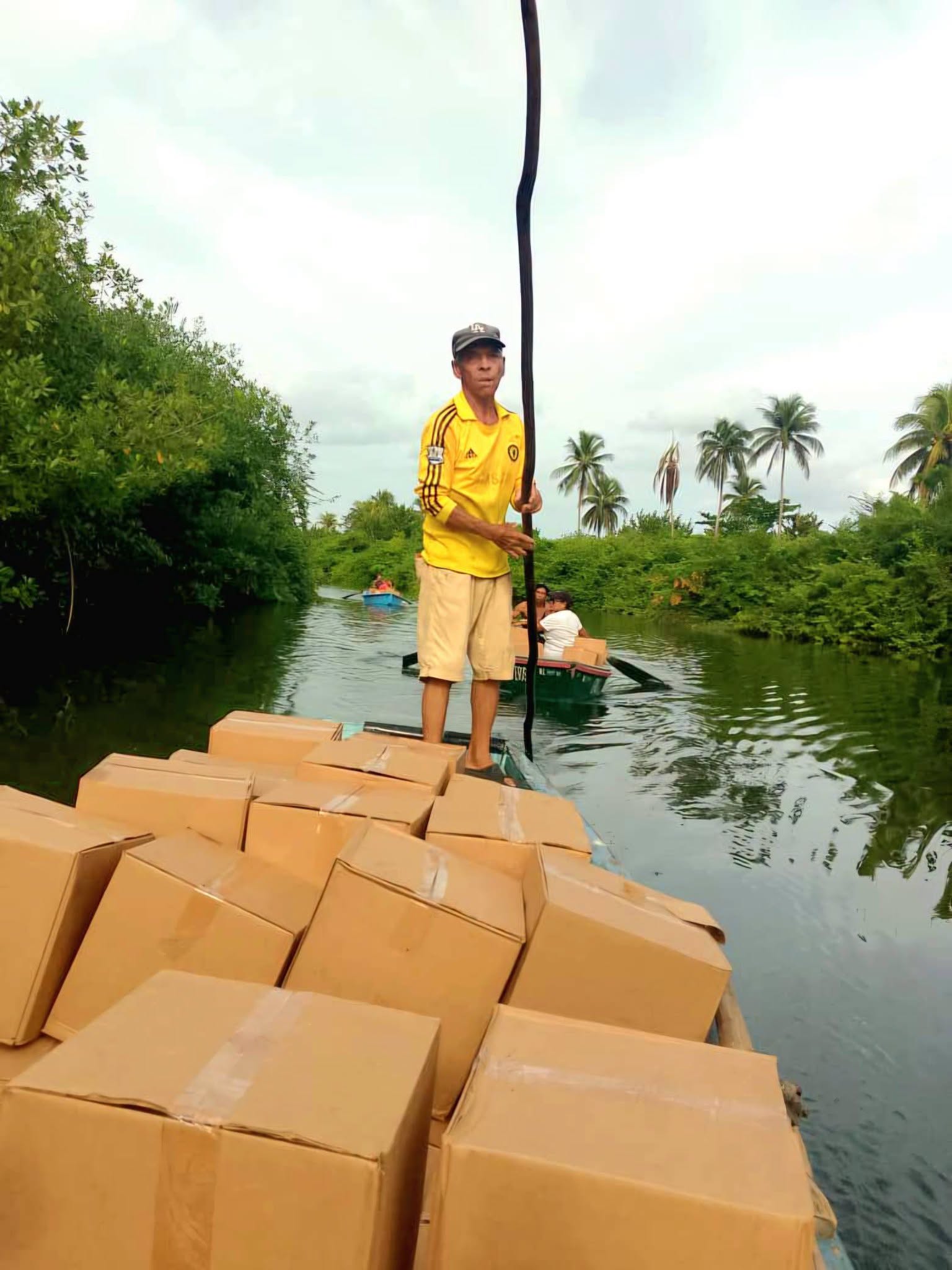
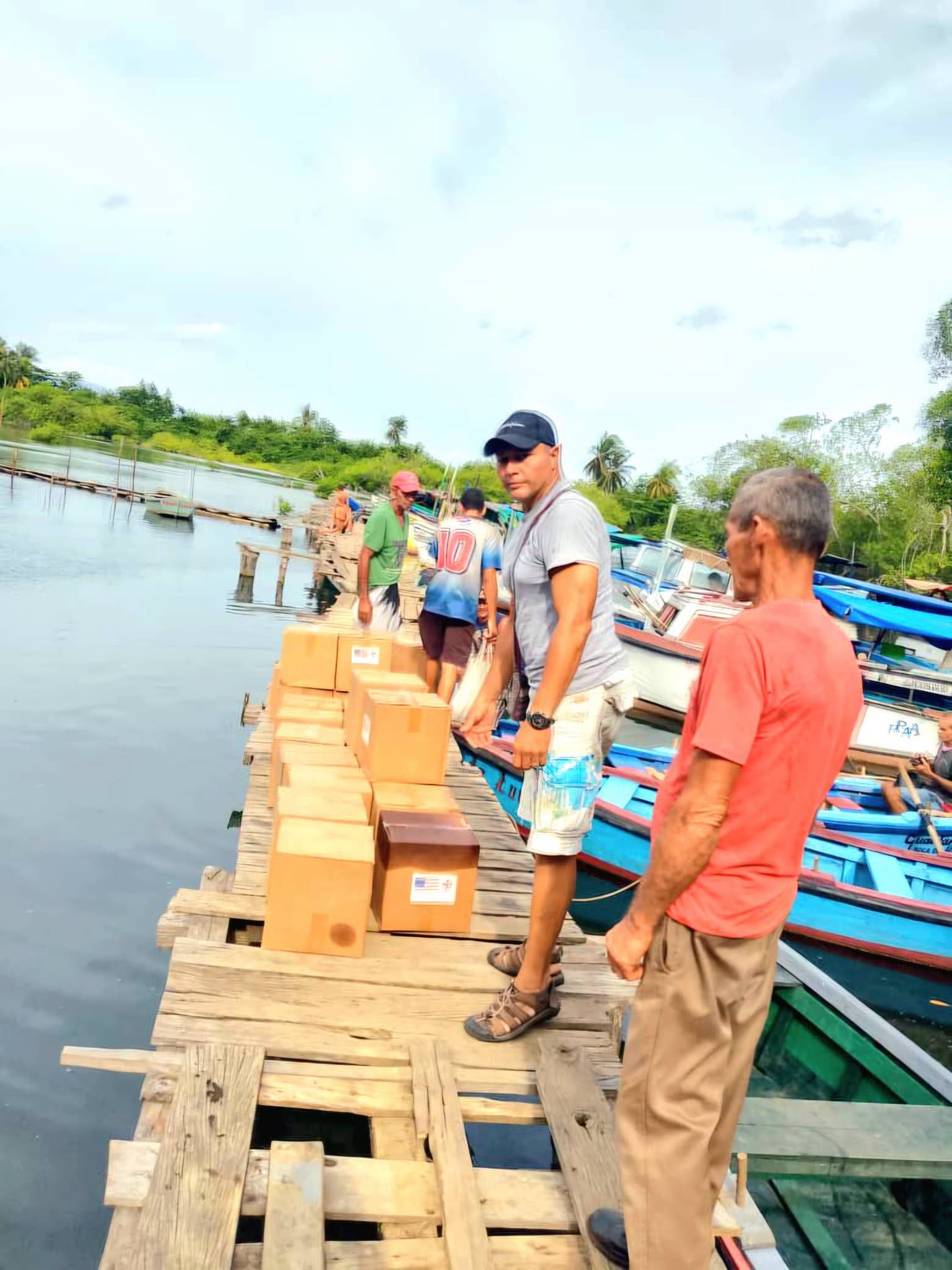
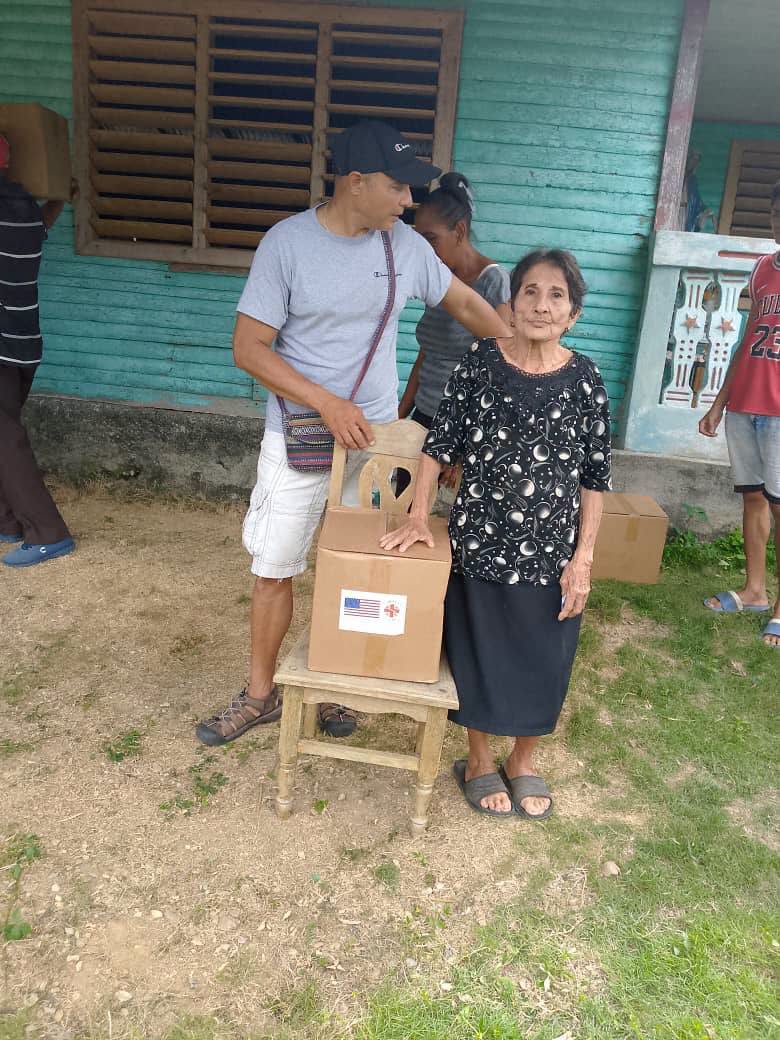
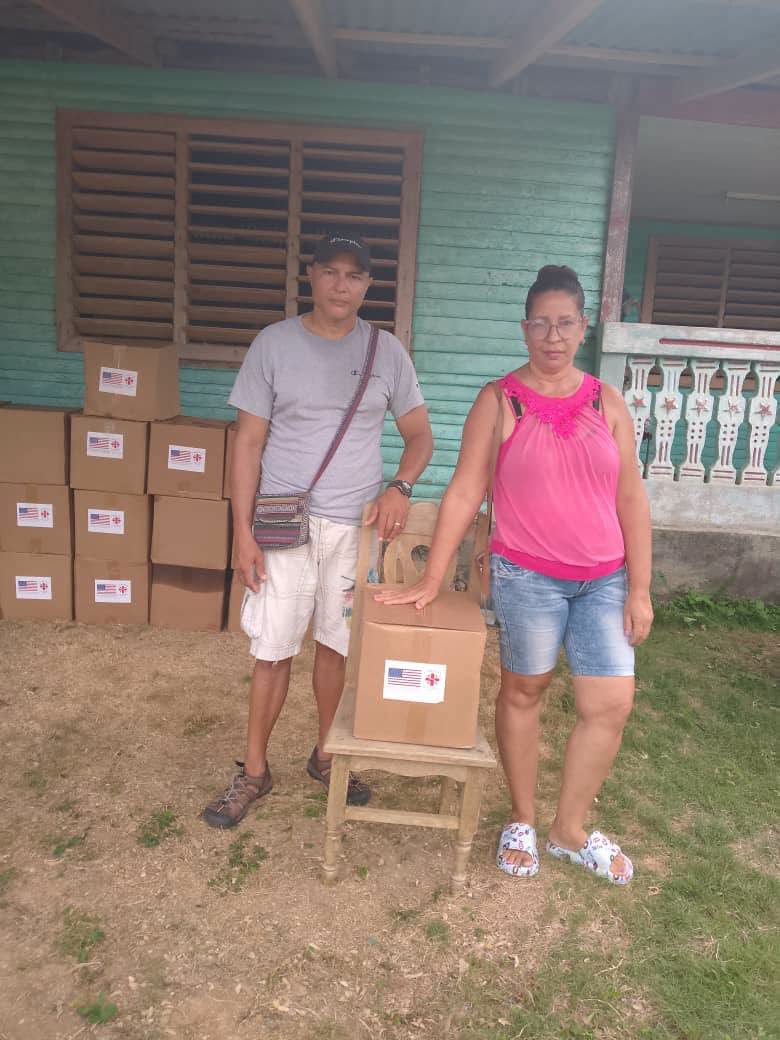
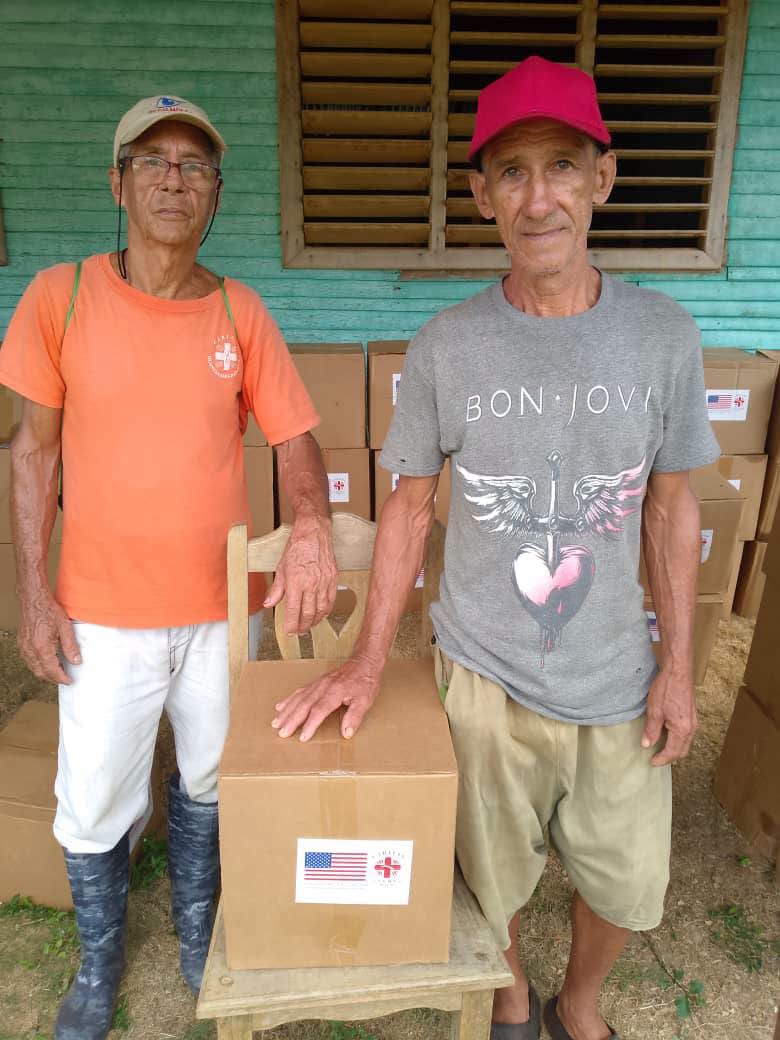
Las aguas de la bahía de Boca de Miel, en Baracoa, vieron el 17 de noviembre un trasiego singular. Las cayucas que a diario surcan ríos y costas para mover a los residentes cargaron esta vez cajas con alimentos y artículos de aseo, una donación llegada desde Estados Unidos que voluntarios de Cáritas, en la diócesis de Guantánamo-Baracoa, repartieron entre las familias de Boca de Miel, Las María, Majana y Majayara.
La propia Cáritas describe el paraje sin rodeos: una zona costera intrincada, sin tierras fértiles para la siembra y con escasos medios de pesca, donde la situación «se ha tornado muy difícil» por el panorama económico. Son comunidades pobres entre las pobres, de las que menos tienen y más lejos quedan de todo.
Y ahí está la contradicción que esta imagen deja al desnudo. El país que envía la ayuda es el mismo que mantiene desde hace más de seis décadas un bloqueo económico, comercial y financiero contra la isla. Y no solo eso: a ese cerco ya existente sumó este año la prohibición de vender combustible al Estado cubano, con presiones sobre terceros países y navieras para que ningún barco con petróleo llegue a los puertos de la isla.
El combustible no es un detalle. Sin combustible no salen los barcos de pesca de Boca de Miel, no se mueve el transporte que trae los alimentos, no genera la electricidad que alumbra esas casas de madera y no produce la industria que abastece a las bodegas. Es decir: la política que más golpea a estas comunidades es la misma que les mandó una caja de alimentos y aseo.
Que conste: la ayuda se agradece. La labor de Cáritas y de sus voluntarios, que llegan en cayuca a donde no llega casi nadie, merece reconocimiento, y cada familia que recibió su caja tiene una preocupación menos por unos días. La solidaridad entre personas, venga de donde venga, siempre suma.
Pero una caja no tapa el hueco que abre el cerco. La ayuda humanitaria trata el síntoma durante unos días; el bloqueo y el estrangulamiento del combustible producen la enfermedad todos los días del año. Si de verdad se quisiera aliviar a los más pobres de Baracoa, el gesto mayor no sería mandarles alimentos: sería dejar de impedir que su país compre el combustible con el que pescan, se mueven y producen.
La pregunta queda sobre la mesa, con las fotos de las cayucas como testigo: ¿se puede llamar solidario a quien primero te aprieta y después te manda una caja?
Fuentes: Cáritas Cuba, publicación del 17 de noviembre de 2026 (diócesis de Guantánamo-Baracoa).
On November 17, the waters of Boca de Miel bay, in Baracoa, witnessed an unusual coming and going. The cayucas that daily ply rivers and coasts to move residents this time carried boxes of food and toiletries, a donation arrived from the United States that Cáritas volunteers, in the diocese of Guantánamo-Baracoa, handed out among the families of Boca de Miel, Las María, Majana and Majayara.
Cáritas itself describes the place bluntly: an intricate coastal area, with no fertile land for farming and scarce means of fishing, where the situation "has become very difficult" because of the economic picture. They are poor communities among the poor, those who have the least and are farthest from everything.
And there lies the contradiction this image lays bare. The country sending the aid is the same one that has maintained an economic, commercial and financial blockade against the island for more than six decades. And not only that: this year it added to that existing siege a ban on selling fuel to the Cuban state, with pressure on third countries and shipping companies so that no tanker reaches the island's ports.
Fuel is no detail. Without fuel, Boca de Miel's fishing boats do not go out, the transport that brings food does not move, the electricity that lights those wooden houses is not generated, and the industry that stocks the bodegas does not produce. In other words: the policy that hits these communities hardest is the same one that sent them a box of food and toiletries.
Let it be clear: the aid is appreciated. The work of Cáritas and its volunteers, who reach by cayuca where almost no one arrives, deserves recognition, and every family that received its box has one less worry for a few days. Solidarity between people, wherever it comes from, always adds up.
But one box does not cover the hole the siege opens. Humanitarian aid treats the symptom for a few days; the blockade and the fuel strangulation produce the disease every day of the year. If the poorest of Baracoa were truly to be relieved, the greater gesture would not be sending them food: it would be to stop preventing their country from buying the fuel with which they fish, move and produce.
The question remains on the table, with the photos of the cayucas as witness: can someone who first squeezes you and then sends you a box be called supportive?
Sources: Cáritas Cuba, post of November 17, 2026 (diocese of Guantánamo-Baracoa).
Ver en Facebook ↗See on Facebook ↗