¿Estará Cuba sobre la mesa en Shenzhen?Will Cuba be on the table in Shenzhen?
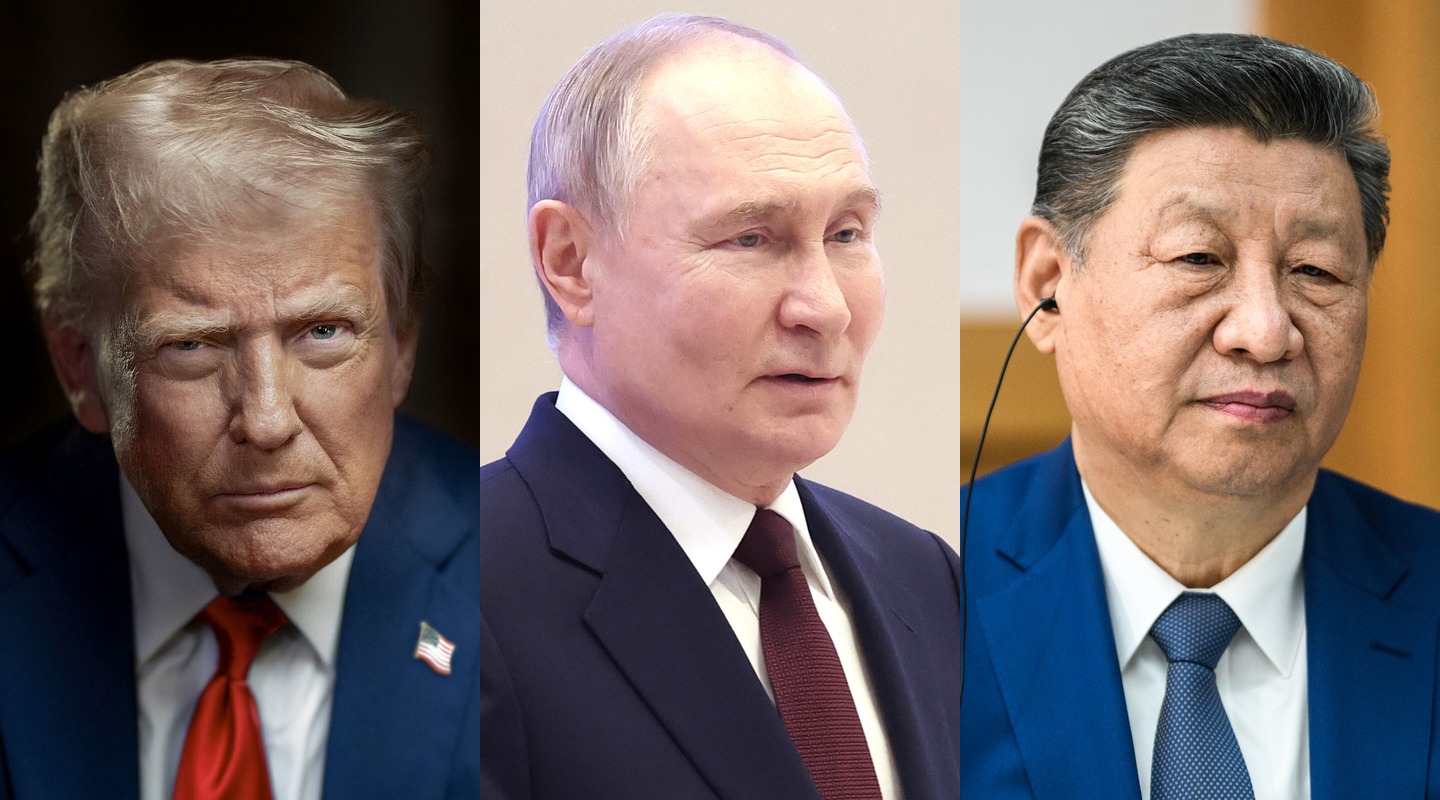
Este jueves 19 de noviembre, en Shenzhen, se producirá una foto inédita: Donald Trump, Vladimir Putin y Xi Jinping sentados a la misma mesa, en la primera cumbre trilateral entre los líderes de Estados Unidos, Rusia y China. La cita, confirmada oficialmente por Prensa Latina, se celebra al margen de la cumbre de la APEC, que reúne a las economías del Pacífico en esa ciudad china.
Según Pekín, los tres abordarán la paz mundial y la estabilidad internacional, y podrían tratar también la desnuclearización y la guerra con Irán. Es una agenda de grandes expedientes: la guerra en Ucrania, el programa nuclear iraní, el comercio. En ningún comunicado aparece el nombre de la isla.
Y sin embargo, la isla estará en la sala.
La primera razón es la presión que Washington ejerce hoy sobre La Habana. Desde enero rige un cerco petrolero contra el país, y el propio Trump ha dicho que «consideraría» una operación, con un plazo que él mismo situó en 2029, mientras las fuerzas de EE. UU. se mueven por el Caribe y Guantánamo vuelve a los titulares. Cuando tres potencias se sientan a hablar de «estabilidad internacional», un foco de tensión abierto por una de ellas a 90 millas de su costa forma parte de la conversación, se nombre o no.
La segunda razón es que Rusia y China acaban de comprometerse en público. La gira del canciller Bruno Rodríguez por Asia cerró el 14 de noviembre con el respaldo firme de Wang Yi contra el bloqueo y la solidaridad reafirmada de To Lam en Vietnam. Ninguno de los dos socios va a Shenzhen a negociar el destino de la isla, pero ambos tienen motivos para dejarle claro a Trump que una aventura en el Caribe tendría un costo diplomático.
La tercera razón es el propio Trump. Para él, el tema ha sido siempre también un asunto de política interna, con Marco Rubio en la Secretaría de Estado y la Florida en el mapa electoral. Eso significa que lo mueve cuando le conviene políticamente, no cuando lo pide una cumbre.
¿Qué puede salir de Shenzhen? Lo más probable es que el comunicado final no nombre a la isla. Si acaso, alguna fórmula general contra la coerción unilateral o por la estabilidad regional, dentro de la cual quedaría incluida sin ser mencionada. El escenario de máxima sería una mención en los encuentros bilaterales de los márgenes, un Trump-Xi o un Trump-Putin, de la que solo se sabría por filtraciones posteriores.
La conclusión es de medida: no conviene esperar de Shenzhen ni un alivio ni una sentencia. La cumbre medirá el tono entre las tres potencias, y ese tono sí le importa a La Habana, porque define cuánto espacio tendrá Washington para seguir apretando y cuánto respaldo real están dispuestos a exhibir Moscú y Pekín. El jueves, cuando se publique el comunicado, habrá que leerlo también con esta pregunta en la mano: ¿estuvo la isla sobre la mesa?
This Thursday, November 19, in Shenzhen, an unprecedented photograph will be taken: Donald Trump, Vladimir Putin and Xi Jinping seated at the same table, at the first trilateral summit between the leaders of the United States, Russia and China. The meeting, officially confirmed by Prensa Latina, takes place on the sidelines of the APEC summit, which gathers the Pacific economies in that Chinese city.
According to Beijing, the three will address world peace and international stability, and may also take up denuclearization and the war with Iran. It is an agenda of major files: the war in Ukraine, the Iranian nuclear program, trade. The island's name appears in no communiqué.
And yet, the island will be in the room.
The first reason is the pressure Washington is exerting on Havana today. An oil siege against the country has been in force since January, and Trump himself has said he "would consider" an operation, on a timeline he himself set at 2029, while U.S. forces move around the Caribbean and Guantánamo returns to the headlines. When three powers sit down to discuss "international stability," a hotspot opened by one of them 90 miles off its coast is part of the conversation, whether it is named or not.
The second reason is that Russia and China have just committed themselves in public. Foreign Minister Bruno Rodríguez's Asia tour closed on November 14 with Wang Yi's firm support against the blockade and To Lam's reaffirmed solidarity in Vietnam. Neither partner is going to Shenzhen to negotiate the island's fate, but both have reasons to make clear to Trump that an adventure in the Caribbean would carry a diplomatic cost.
The third reason is Trump himself. For him, the Cuban issue has always also been a matter of domestic politics, with Marco Rubio at the State Department and Florida on the electoral map. That means he moves it when it is politically convenient, not when a summit asks for it.
What can come out of Shenzhen? Most likely, the final communiqué will not name the island. At most, some general formula against unilateral coercion or for regional stability, within which it would be included without being mentioned. The maximum scenario would be a mention in the bilateral meetings on the sidelines, a Trump-Xi or a Trump-Putin, known only through later leaks.
The conclusion is measured: Shenzhen should be expected to bring neither relief nor a sentence. The summit will measure the tone among the three powers, and that tone does matter to Havana, because it defines how much room Washington will have to keep squeezing and how much real backing Moscow and Beijing are willing to display. On Thursday, when the communiqué is published, it should also be read with this question in hand: was the island on the table?