Congresistas Meeks y Castro escriben a Díaz-Canel: la carta que puede cambiar la relación entre Cuba y Estados UnidosCongressmen Meeks and Castro write to Díaz-Canel: the letter that could change the relationship between Cuba and the United States
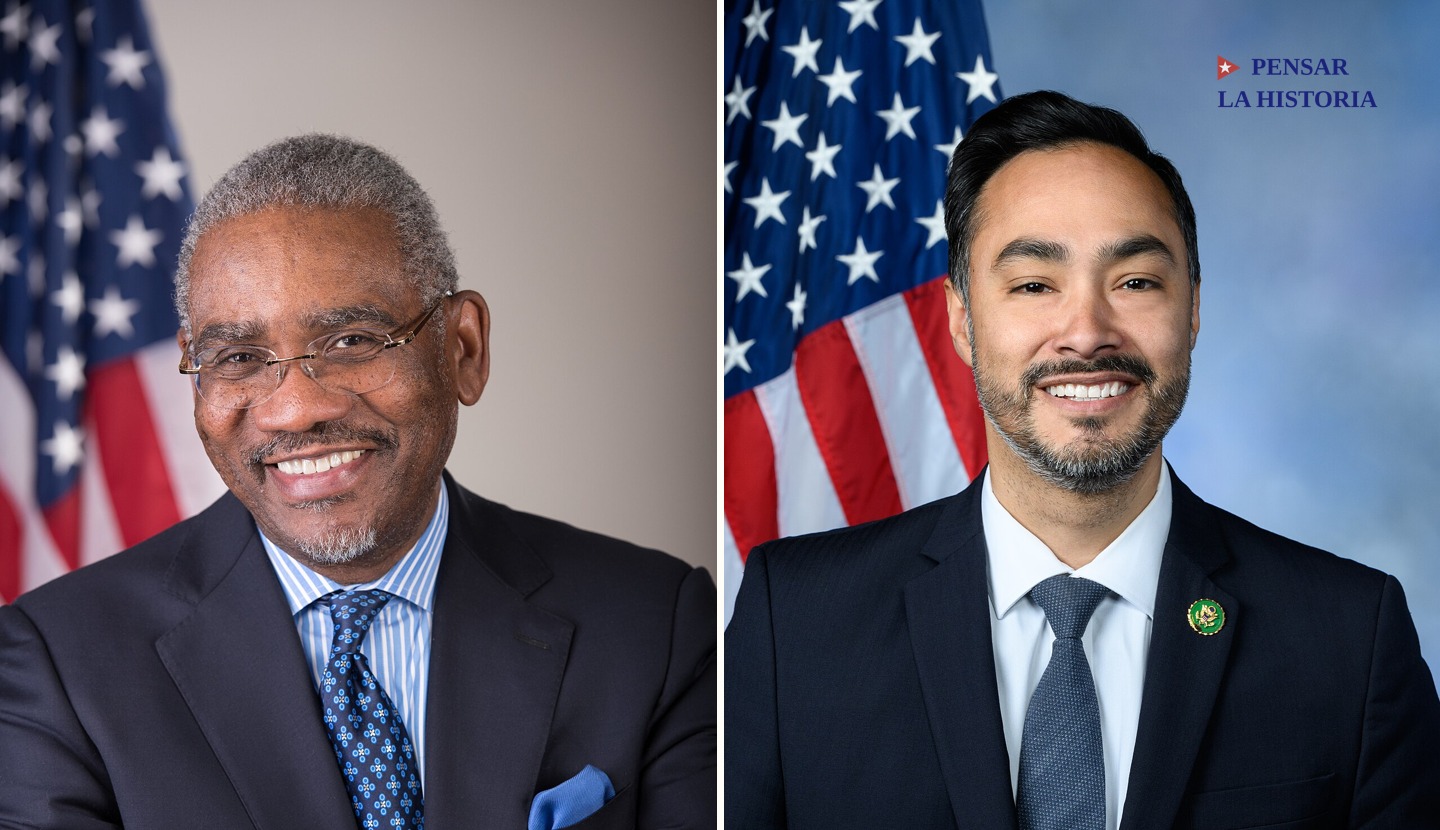
Los dos demócratas de mayor rango del Comité de Asuntos Exteriores de la Cámara de Representantes, Gregory Meeks, de Nueva York, y Joaquín Castro, de Texas, le escribieron una carta a Miguel Díaz-Canel. La carta está fechada el 18 de noviembre y este lunes la reveló USA Today en exclusiva, tras revisarla. No es una declaración de prensa ni un tuit: es una carta formal al presidente cubano, firmada por quien en enero presidirá el comité que lleva la política exterior en la Cámara baja.
LO QUE PIDE LA CARTA
La petición central cabe en una frase de la propia carta: liberar a «los más de 200 prisioneros "políticos" cuyos casos se han discutido en los recientes intercambios entre Cuba y Estados Unidos». Meeks y Castro la presentan como un acto humanitario significativo y un paso importante hacia un diálogo y una relación más constructiva entre los dos países, en un momento de profunda dificultad para el pueblo cubano y de estancamiento en la diplomacia bilateral.
La carta insta a autorizar una liberación rápida, en términos que permitan a los liberados reunirse con sus familias y reconstruir sus vidas libremente en Cuba, y la define como un paso para resolver los casos de todos los detenidos por ejercer sus libertades fundamentales. Subraya que sería una decisión soberana, dentro de la autoridad del gobierno cubano, consistente con el derecho internacional y con la dignidad y las aspiraciones del pueblo cubano.
EL CAMBIO DE TONO
Lo que distingue a esta carta de otras comunicaciones del Congreso es el reconocimiento expreso de las reformas económicas anunciadas por el gobierno cubano en los últimos meses. La carta las enumera: ampliar las oportunidades para la empresa privada, permitir una participación más directa en el comercio internacional y crear un mayor espacio para la inversión, y las califica como pasos significativos hacia la transformación de la economía cubana, adoptados en medio de una fuerte presión externa.
Los firmantes registran que la administración Trump ha sostenido que su campaña de presión fue un factor importante detrás de la apertura, mientras el gobierno cubano describe las reformas como decisiones internas. Y añaden la frase que marca el cambio de lenguaje: los dos gobiernos no necesitan estar de acuerdo sobre lo que motivó estas medidas para reconocer su valor potencial o buscar un progreso mayor. La tarea ahora, escriben, debe ser aprovechar esta apertura con pasos duraderos que mejoren la vida del pueblo cubano, alivien la crisis humanitaria y abran un camino hacia la oportunidad y la prosperidad para todos.
La carta cierra con la idea de la confianza: aunque ninguna medida por sí sola puede resolver las diferencias prolongadas entre los dos países, esta podría contribuir significativamente a generar confianza y crear espacio político para avances que alivien la crisis humanitaria que, en palabras de los firmantes, 9 millones de cubanos enfrentan a diario. Una liberación, argumentan, reforzaría además la posición de quienes en el Congreso creen que el compromiso y la expansión de las oportunidades económicas ofrecen un mejor camino para cubanos y estadounidenses.
EL CONTEXTO EN QUE LLEGA
Estados Unidos y Cuba sostenían conversaciones de alto nivel desde enero, y la liberación de prisioneros estaba en el centro de esa mesa antes de que el diálogo se estancara en el verano. En julio fue liberado el artista Luis Manuel Otero Alcántara, uno de los casos más conocidos; otros, como el rapero Maykel «Osorbo» Castillo Pérez, siguen en prisión. Las organizaciones de derechos humanos cuentan más de 1.300 prisioneros «políticos» en total; la carta se concentra en el grupo de más de 200 que ya ha sido discutido entre ambos gobiernos.
El peso político de los firmantes también cambió este mes: tras las victorias demócratas del 3 de noviembre, Meeks se dispone a presidir el Comité de Asuntos Exteriores en enero, con influencia directa en la agenda hacia Cuba. En el otro extremo del tablero, el secretario de Estado, Marco Rubio, llamó recientemente a los cubanos a colaborar con la CIA, y el presidente Trump dijo el 23 de octubre, en un acto en Florida, que Estados Unidos «se ocupará de Cuba» a su regreso de Irán.
Al cierre de esta nota, el gobierno cubano no ha respondido públicamente a la carta. Si lo hace, esta nota se actualizará con su respuesta. La pregunta que la carta deja sobre la mesa es si La Habana la leerá como una puerta que se abre o como una presión más con otro lenguaje; de esa lectura depende que el gesto tenga consecuencias o quede en el papel.
Documento: la carta íntegra de los congresistas Gregory W. Meeks y Joaquín Castro al presidente Miguel Díaz-Canel, en su original en inglés, fechada el 18 de noviembre de 2026.
The two ranking Democrats on the House Foreign Affairs Committee, Gregory Meeks of New York and Joaquin Castro of Texas, have written a letter to Miguel Díaz-Canel. The letter is dated November 18, and this Monday USA Today revealed it exclusively after reviewing it. It is not a press statement or a tweet: it is a formal letter to the Cuban president, signed by the man who in January will chair the committee that handles foreign policy in the lower chamber.
WHAT THE LETTER ASKS
The central request fits in one sentence of the letter itself: to release "the more than 200 political prisoners whose cases have been discussed in recent exchanges between Cuba and the United States." Meeks and Castro present it as a significant humanitarian act and an important step toward dialogue and a more constructive relationship between the two countries, at a moment of profound difficulty for the Cuban people and of stalemate in bilateral diplomacy.
The letter urges a swift release, on terms that allow those freed to reunite with their families and rebuild their lives freely in Cuba, and defines it as a step toward resolving the cases of all those detained for exercising their fundamental freedoms. It stresses that it would be a sovereign decision, within the authority of the Cuban government, consistent with international law and with the dignity and aspirations of the Cuban people.
THE CHANGE OF TONE
What sets this letter apart from other communications from Congress is its express recognition of the economic reforms announced by the Cuban government in recent months. The letter lists them: expanding opportunities for private enterprise, allowing more direct participation in international trade and creating greater space for investment, and calls them significant steps toward the transformation of the Cuban economy, adopted amid strong external pressure.
The signers note that the Trump administration has argued its pressure campaign was an important factor behind the opening, while the Cuban government describes the reforms as internal decisions. And they add the phrase that marks the change of language: the two governments do not need to agree on what motivated these measures to recognize their potential value or seek greater progress. The task now, they write, must be to build on this opening with lasting steps that improve the lives of the Cuban people, ease the humanitarian crisis and open a path toward opportunity and prosperity for all.
The letter closes with the idea of trust: although no single measure can resolve the longstanding differences between the two countries, this one could go a long way toward building trust and creating political space for progress that eases the humanitarian crisis that, in the signers' words, 9 million Cubans endure on a daily basis. A release, they argue, would also strengthen the position of those in Congress who believe that engagement and expanded economic opportunity offer a better path for Cubans and Americans alike.
THE CONTEXT IN WHICH IT ARRIVES
The United States and Cuba had been holding high-level talks since January, and the release of prisoners was at the center of that table before the dialogue stalled over the summer. In July, artist Luis Manuel Otero Alcántara, one of the best-known cases, was released; others, such as rapper Maykel "Osorbo" Castillo Pérez, remain in prison. Human rights organizations count more than 1,300 "political" prisoners in total; the letter focuses on the group of more than 200 already discussed between the two governments.
The signers' political weight also changed this month: after the Democratic victories of November 3, Meeks is set to chair the Foreign Affairs Committee in January, with direct influence over the Cuba agenda. At the other end of the board, Secretary of State Marco Rubio recently called on Cubans to collaborate with the CIA, and President Trump said on October 23, at an event in Florida, that the United States would "take care of Cuba" on its way back from Iran.
As of the close of this note, the Cuban government has not publicly responded to the letter. If it does, this note will be updated with its response. The question the letter leaves on the table is whether Havana will read it as a door opening or as one more pressure with a different language; on that reading depends whether the gesture has consequences or remains on paper.
Document: the full letter from Congressmen Gregory W. Meeks and Joaquin Castro to President Miguel Díaz-Canel, in its original English version, dated November 18, 2026.